Failing Private Pole in Forresters Beach
If your private pole in Forresters Beach is leaning, rotten, or carrying damaged mains, keep clear and call us. Electrician Forresters Beach is Level 2 ASP accredited and responds same-day, backed by 300+ five-star reviews.
- Same-Day & 24/7 Emergency , a failing pole gets an urgent local response, any time
- Level 2 ASP Accredited , licensed for private pole repair and replacement
- Licence #451348C , fully licensed and insured for every job
- $0 Call-Out & Free Quotes , a fixed, upfront price before any work begins
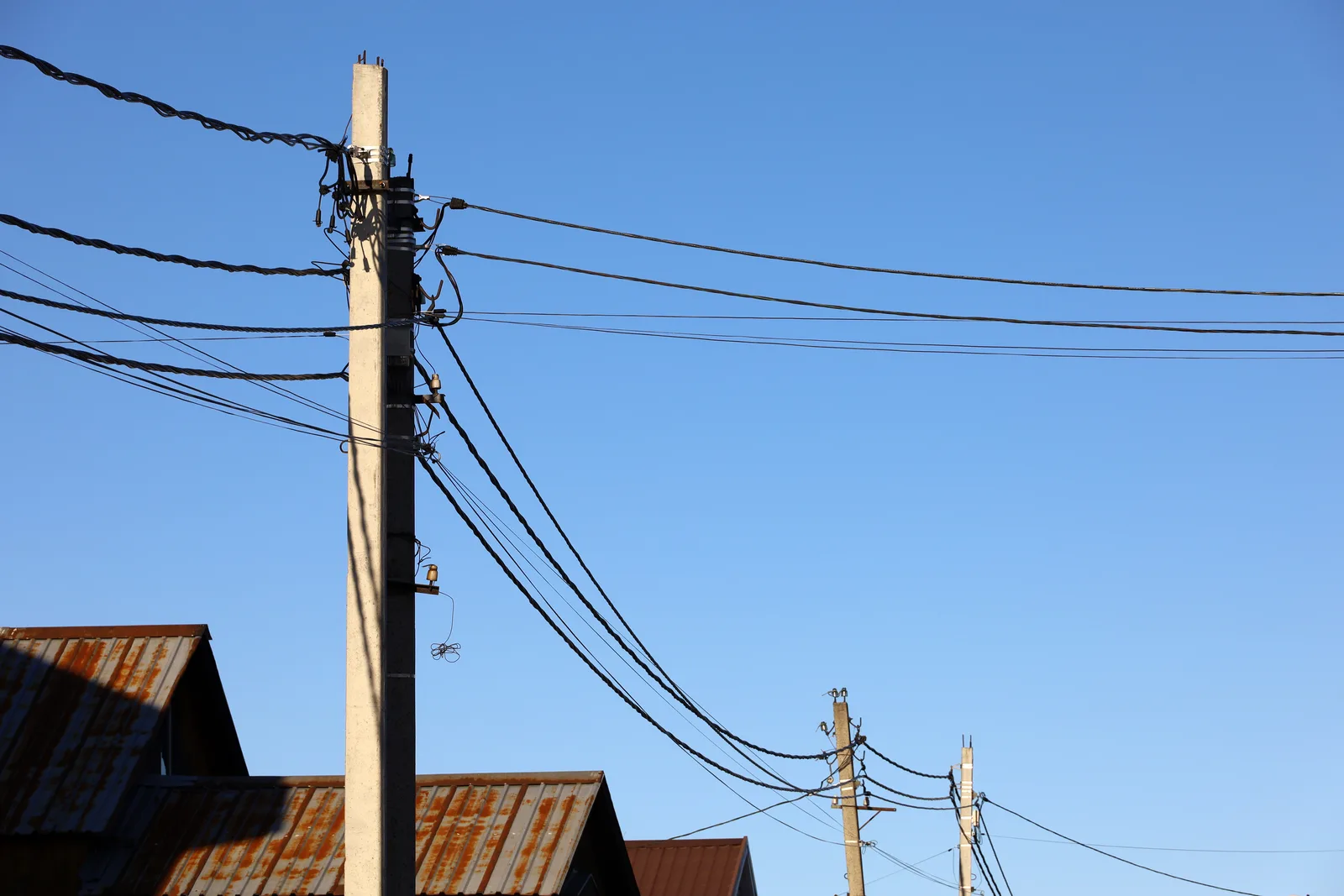
What a Failing Private Pole Actually Means
A private pole is your own pole, not Ausgrid's or Endeavour's, and it carries the service mains onto your property. A leaning, rotten, or storm-damaged pole is Level 2 territory under AS/NZS 3000, work only a Level 2 ASP is licensed to touch.
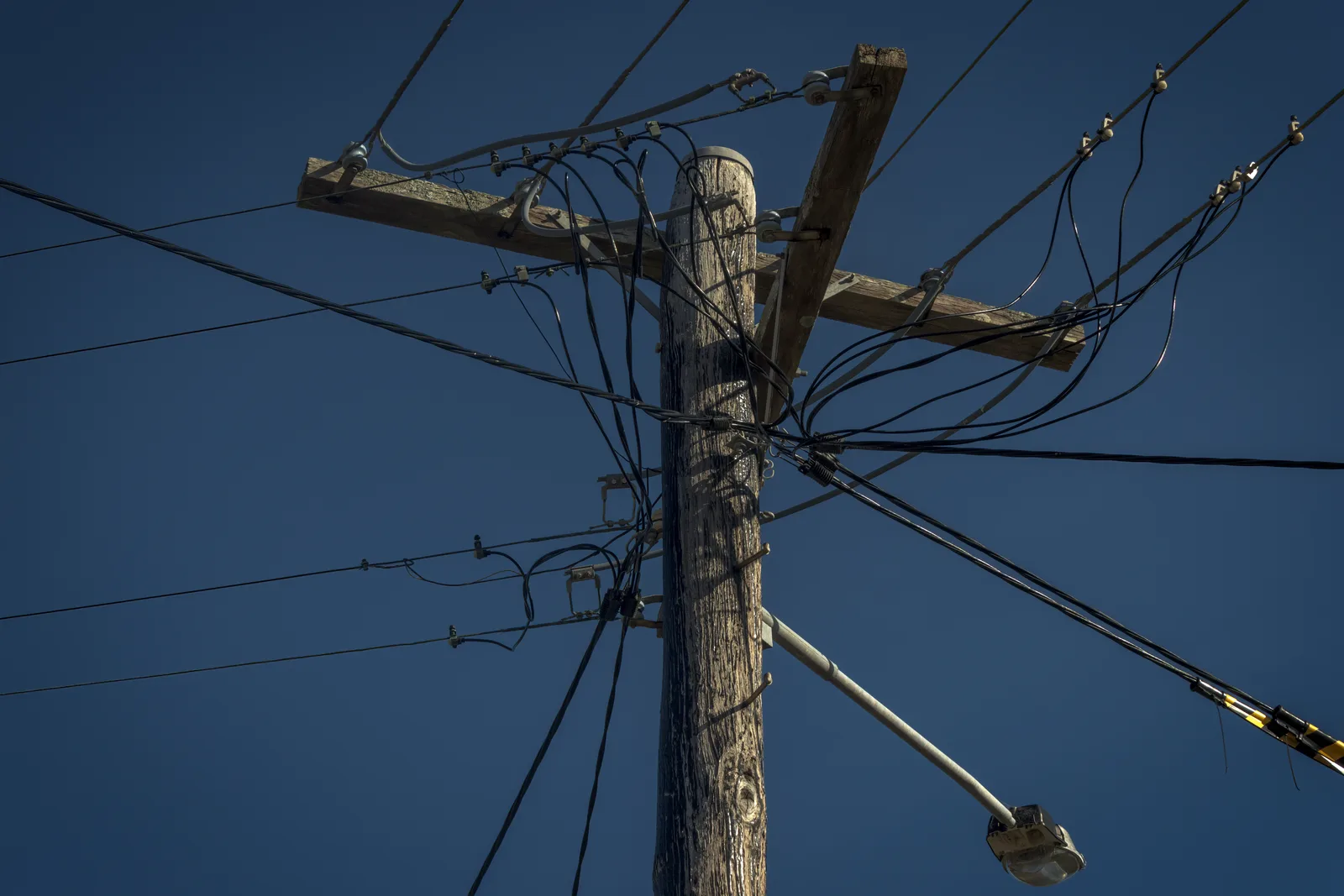
Common Causes of a Failing Private Pole in Forresters Beach
Timber rot and age
Original timber private poles from the 1960s to 1980s beach-cottage era are now well past their intended service life and prone to rot at ground level.
Termite and insect damage
Timber poles near garden beds and bushland edges around Wyrrabalong National Park can suffer hidden termite damage that weakens the pole from within.
Storm loading on the mains
Wind and storm systems off the Tasman Sea put extra strain on the pole through the service mains it carries, accelerating an existing weakness.
Ground movement on sloping blocks
Undulating headland terrain across Forresters Beach can shift the base of an ageing pole over time, leaving it visibly leaning.
Salt-air weathering of fittings
Metal brackets and fixings holding the mains to the pole corrode faster in this high salt-exposure environment, loosening their grip over time.
Is a Failing Private Pole Dangerous?
Yes, treat a leaning or failing private pole as genuinely dangerous. It carries live service mains, and a structural failure can bring those mains down with it.
- A leaning or cracked pole can collapse without further warning
- Live service mains attached to the pole remain a hazard even if the pole looks stable
- This needs a same-day Level 2 ASP inspection, not a wait-and-see approach
What To Do Right Now
Keep well clear and let a Level 2 ASP assess it properly. These are the only safe actions:
- Stay away from the pole and any lines or brackets attached to it.
- Keep family, pets, and vehicles clear of the area around the pole.
- Do not attempt to straighten, support, or inspect the pole yourself.
- Warn neighbours if the pole is near a shared driveway or footpath.
- Call a Level 2 ASP electrician (Lic #451348C) immediately for an urgent assessment.
When To Call a Level 2 Electrician for a Failing Pole in Forresters Beach
- The pole is visibly leaning, cracked, or soft at the base
- You can see rot, termite damage, or splitting timber anywhere on the pole
- The mains attached to the pole look sagging, frayed, or damaged
- The pole has shifted or moved after a storm or wind event
- The pole has never been assessed and is original to an older cottage
Any of these at your Forresters Beach property needs a same-day Level 2 ASP. We respond 24/7 for emergencies, with $0 call-out and free quotes. See our private pole and service mains pages.
How it works
How We Fix a Failing Private Pole in Forresters Beach
Urgent Level 2 Assessment
We inspect the pole's condition and the mains it carries to determine whether repair or full replacement is needed, and secure the site in the meantime.
Upfront Quote
Once we know the scope, we provide a fixed, transparent price for the repair or replacement before any work begins.
Pole Repair or Replacement
We repair or replace the private pole and reconnect the service mains safely under our Level 2 ASP accreditation.
Testing & Network Sign-Off
Every repair is tested and signed off to AS/NZS 3000 and network requirements, confirming the new or repaired pole is stable before the job is complete.
Why This Is Common in Older Forresters Beach Homes
Timber private poles installed during the original beach-cottage era are now decades old, and the coastal storm exposure of this headland accelerates their decline, a pattern also seen in nearby Shelly Beach on similarly exposed blocks.
Failing Poles and Related Electrical Faults Across Forresters Beach
A failing private pole is often linked to storm-damaged mains and a sagging service line. We fix all three across Forresters Beach and neighbouring Tumbi Umbi, with the same Level 2 team.
Failing Private Pole in Forresters Beach? Call Now
Call (02) 4039 8302 for a 24/7 emergency Level 2 response, with $0 call-out and free quotes backed by Licence #451348C. We'll assess it fast, and if it sparks, shorts, flickers or fails, we can fix it.
Common questions
Failing Private Pole FAQs
Real questions Forresters Beach homeowners ask when their private pole looks like it's leaning, rotten, or failing, answered plainly by our Level 2 ASP team.
Is a leaning or rotten private pole dangerous?
Yes. A failing private pole can carry live service mains and may collapse without warning, so keep clear of it and call a Level 2 ASP for an urgent inspection.
What causes a private pole to fail?
Age, timber rot, termite damage, and storm loading on the mains it carries are the most common causes of a leaning or failing private pole.
What should I do if my private pole looks like it's failing?
Stay well away from the pole and any lines attached to it, keep others clear too, and call a Level 2 ASP electrician straight away for an assessment.
Do I need a Level 2 electrician for a private pole?
Yes. A private pole and the mains it carries are Level 2 territory, and only a Level 2 ASP is licensed to inspect, repair, or replace it safely.
How much does it cost to replace a failing private pole?
We inspect the pole and provide a fixed upfront quote for repair or replacement. Every job includes a free quote and $0 call-out fee, with no hidden costs.
Are failing private poles common in older Forresters Beach homes?
Yes. Timber private poles on original 1960s to 1980s beach cottages are now well past their service life, and coastal storms accelerate their decline.